
- The Importance of Reporting Missing Adults North Carolina
- Common Challenges in Cases of Missing Adults North Carolina
- Community Involvement in Finding Missing Adults North Carolina
- Legal Aspects of Missing Adults North Carolina Cases
- Moving Forward: Prevention and Support for Families
- Frequently Asked Questions
The Importance of Reporting Missing Adults North Carolina
The occurrence of missing adults in North Carolina is a serious concern that impacts families, communities, and law enforcement agencies. Promptly reporting a case can significantly enhance the chances of a successful resolution. When individuals go missing, swift action and clear communication are essential for a coordinated response. Engaging law enforcement, utilizing community resources, and understanding the intricacies of these cases are all fundamental steps in the recovery process. For those facing this devastating situation in North Carolina, seeking resources is crucial, especially for understanding how to navigate the associated challenges surrounding missing adults north carolina.
Immediate Steps to Take
When an adult goes missing, the first step is to contact local law enforcement. More than just filing a report, providing officers with detailed information is crucial. This can include the individual’s last known whereabouts, description, habits, and any known medical conditions. Having recent photographs can also aid in the search.
It’s important to gather as much information as possible, including:
- Date and time of disappearance
- Physical description and identifiers (tattoos, glasses, etc.)
- Last known location and the circumstances surrounding their disappearance
- Any known digital footprints, such as social media activity
Second, alert friends, family, and community members about the situation; their awareness might lead to crucial information. Establishing a central point of communication can help coordinate the search efforts effectively.
Understanding Missing Person Categories
Missing adults can be categorized into various groups based on the circumstances of their absence. Understanding these categories is vital as each type requires specific approaches for recovery.
- Voluntary Missing: Some adults intentionally leave their lives behind, often due to personal reasons or crises.
- Involuntary Missing: This category includes abductions, foul play, or individuals who may be in distress and unable to seek help.
- Wandering: Individuals with cognitive impairments, such as dementia, may wander off and become lost.
- Endangered Missing: This refers to individuals who may be at serious risk due to their health, mental state, or environmental factors.
Each of these categories impacts the investigation’s direction and urgency, highlighting the need for tailored response strategies.
Role of Law Enforcement in North Carolina
Law enforcement agencies play a pivotal role when adults go missing. Their responsibilities encompass not only the initial investigatory steps but also coordination with other agencies and community resources. Law enforcement works with local agencies, volunteers, and state resources to establish a plan as quickly as possible. Within North Carolina, the cooperation between county sheriffs, city police, and state authorities solidifies a comprehensive approach.
Furthermore, law enforcement often employs various tools, such as:
- Advanced search technologies, including drones and search dogs
- Database systems like the National Crime Information Center (NCIC)
- Collaboration with the FBI in severe or complicated cases
Additionally, police presence in community messaging is essential, keeping the public informed and helping educate them on what steps to take if they have information regarding missing adults north carolina.
Common Challenges in Cases of Missing Adults North Carolina
Limited Information and Resources
One significant challenge in cases of missing adults is often the lack of information or leads. Investigators may struggle if the person was not last seen by acquaintances or if there have been extensive time lapses. Lack of witnesses, limited surveillance footage, or other evidence can severely restrict an investigation’s progress.
Additionally, funding limitations can hinder the capacity of law enforcement to conduct extensive searches or investigations. Smaller departments might lack access to modern technology and require collaboration with larger agencies. Understanding these limitations can help families navigate expectations during this stressful time.
Psychological Impact on Families
The phenomenon of missing persons extends beyond practical concerns, deeply impacting the mental health of families involved. The uncertainty and fear associated with a missing loved one can lead to significant psychological distress, including anxiety, depression, and a sense of helplessness.
Studies show that families of missing persons often experience complicated grief, which can be exacerbated by ongoing media attention or the lack of communication from authorities. Utilizing counseling resources or support groups can be essential for coping with the emotional toll of such situations.
Overcoming Communication Barriers
Effective communication is crucial yet often challenging during missing person cases. Family members may encounter difficulties in relaying information or receiving timely updates from law enforcement. Building a centralized communication protocol among family members and the police can alleviate some of these tensions.
Moreover, language barriers may present additional challenges, particularly in diverse communities in North Carolina. Ensuring accessible information can significantly improve collective efforts to find a missing adult.
Community Involvement in Finding Missing Adults North Carolina
Local Volunteers: A Key Resource
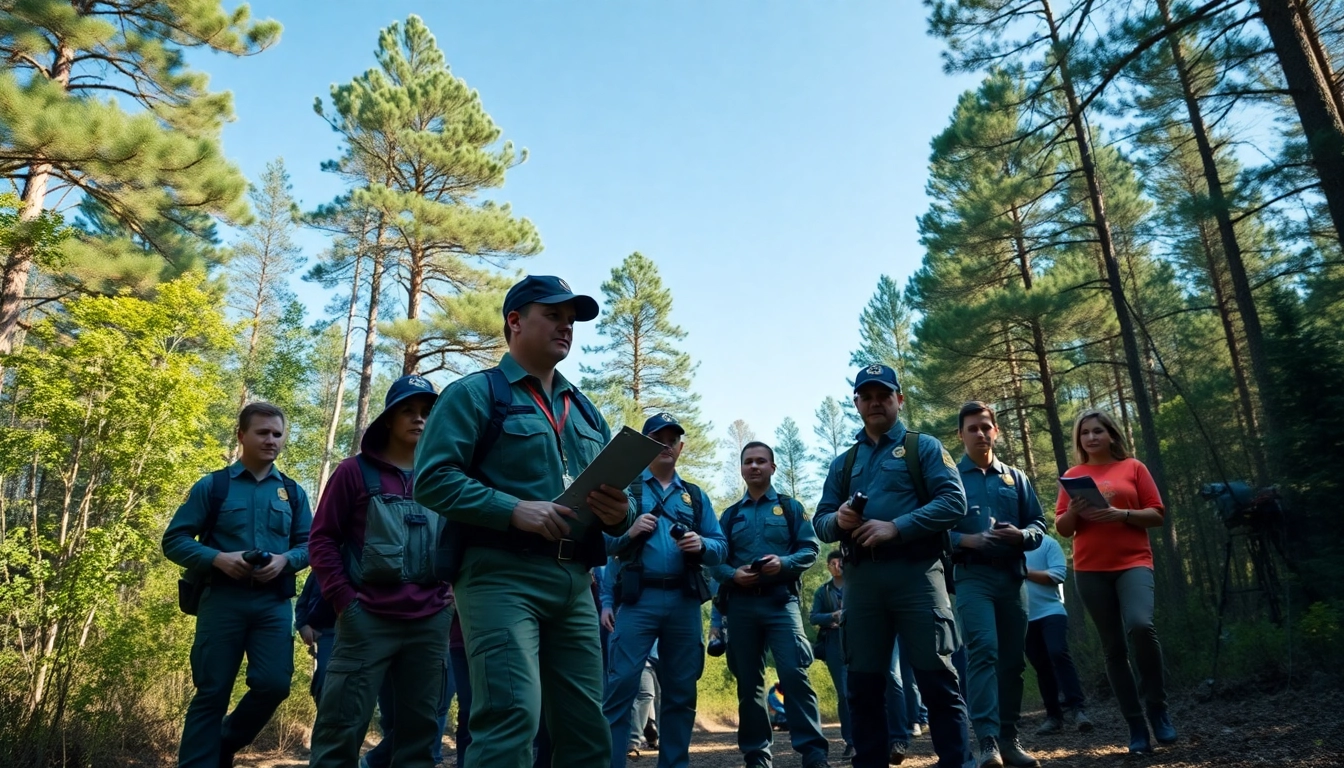
Community involvement is vital in locating missing adults. Local volunteers can provide invaluable resources, manpower, and emotional support for the families involved. Organizing search parties composed of community volunteers helps not only in the physical searching but also in raising awareness about the missing individuals.
Engaging local organizations, such as schools, churches, and community centers, can serve as effective catalysts for mobilizing volunteers. Clear coordination with law enforcement ensures that rescue efforts are organized efficiently and safely.
Using Social Media for Awareness
In the digital age, social media has become an indispensable tool for raising awareness regarding missing adults. Platforms like Facebook, Twitter, and Instagram offer unique outreach opportunities, enabling rapid dissemination of information.
Creating dedicated pages or groups serves not only to share updates but also to create a community of supporters to rally around the case. Engaging posts, appealing visuals, and compelling calls to action can bring a missing person’s case to the forefront of public awareness.
Organizing Search Parties Effectively
When organizing search parties for missing adults, efficiency and organization can make a profound difference. Key steps include:
- Establish a command center to centralize efforts and information.
- Distribute roles among volunteers, such as coordinating logistics, directing search routes, and communication.
- Utilize geolocation tools to cover assigned areas systematically, preventing overlap and ensuring thorough search efforts.
- Provide proper safety gear and briefing sessions to volunteers, emphasizing safety and protocol during searches.
Successful searches rely on careful planning and a clear communication strategy among all involved parties.
Legal Aspects of Missing Adults North Carolina Cases
Rights of Families and Individuals
Understanding the legal rights of families when an adult goes missing in North Carolina is crucial. Families have the right to report a missing person without delays, and it is important for them to feel empowered to advocate for their loved ones.
Moreover, families can take legal actions, such as filing for guardianship, if the missing adult had existing mental health issues. Clear communication with law enforcement about these rights ensures that families are adequately supported throughout the process.
Understanding Missing Person Laws in North Carolina
North Carolina has specific laws and procedures in place concerning missing persons. For starters, the state mandates that local law enforcement must take missing persons reports seriously and investigate them promptly. Understanding the declaration process for a missing person can aid in managing expectations, especially if the individual remains unlocated over an extended period.
Familiarity with these laws can ensure families do not fall prey to misinformation, helping them navigate the complexities while advocating for their missing loved ones.
Collaboration with NGOs and Advocacy Groups
Collaboration with non-governmental organizations (NGOs) and advocacy groups can greatly enhance the search process. Many organizations specialize in supporting families dealing with the impact of a loved one’s disappearance and can assist in outreach efforts.
These groups often offer resources such as legal counseling, emotional support, and engagement with state and local authorities to drive community awareness campaigns. By tapping into these resources, families can optimize their search efforts and enhance their chances of locating missing adults in North Carolina.
Moving Forward: Prevention and Support for Families
Help and Resources for Families
Support resources are vital for families navigating the daunting experience of a loved one going missing. Many organizations provide assistance ranging from financial resources to emotional counseling. For instance, online platforms and local support groups are available to connect families with additional help.
Additionally, community centers often host workshops that offer tools and tips for prevention and support, making them invaluable resources for affected families.
Training and Workshops on Prevention
Community training sessions and workshops focused on prevention can be instrumental in reducing future cases of missing adults. Programs may encompass educational elements, such as:
- Safety protocols for various situations
- Workshops for understanding mental health issues
- Strategies for recognizing signs of distress in loved ones
Offering these initiatives promotes awareness and equips individuals and families to take preemptive measures.
Creating a Support Network for the Affected
Building a robust support network can make a significant difference for families affected by the missing adults situation in North Carolina. These networks can include family members, friends, mental health professionals, and community leaders who can offer assistance.
Networking with support groups enhances interpersonal connections and allows families to share resources, coping mechanisms, and successes during their journeys. A collective approach fosters resilience and facilitates healing over time.
Frequently Asked Questions
What should I do if I suspect someone is missing?
If you suspect someone is missing, contact local law enforcement immediately to file a report. Provide as much detail as possible to aid their investigation.
How long before law enforcement will report someone missing?
Law enforcement agencies are required to take reports of missing adults seriously and will initiate an investigation without waiting to meet a specific time frame.
Can I conduct a search for my missing loved one?
Yes, it’s encouraged to organize search efforts in coordination with law enforcement. However, follow their guidelines for effective safety and organization.
Are there resources available for families of missing adults?
Yes, numerous organizations provide resources, including financial aid, counseling, and community support for families of missing adults.
What laws protect my rights if a loved one is missing?
You have the right to file a report and seek support from law enforcement. Understanding local laws regarding missing persons is essential.