Overview of Everest Base Camp Trek Packages
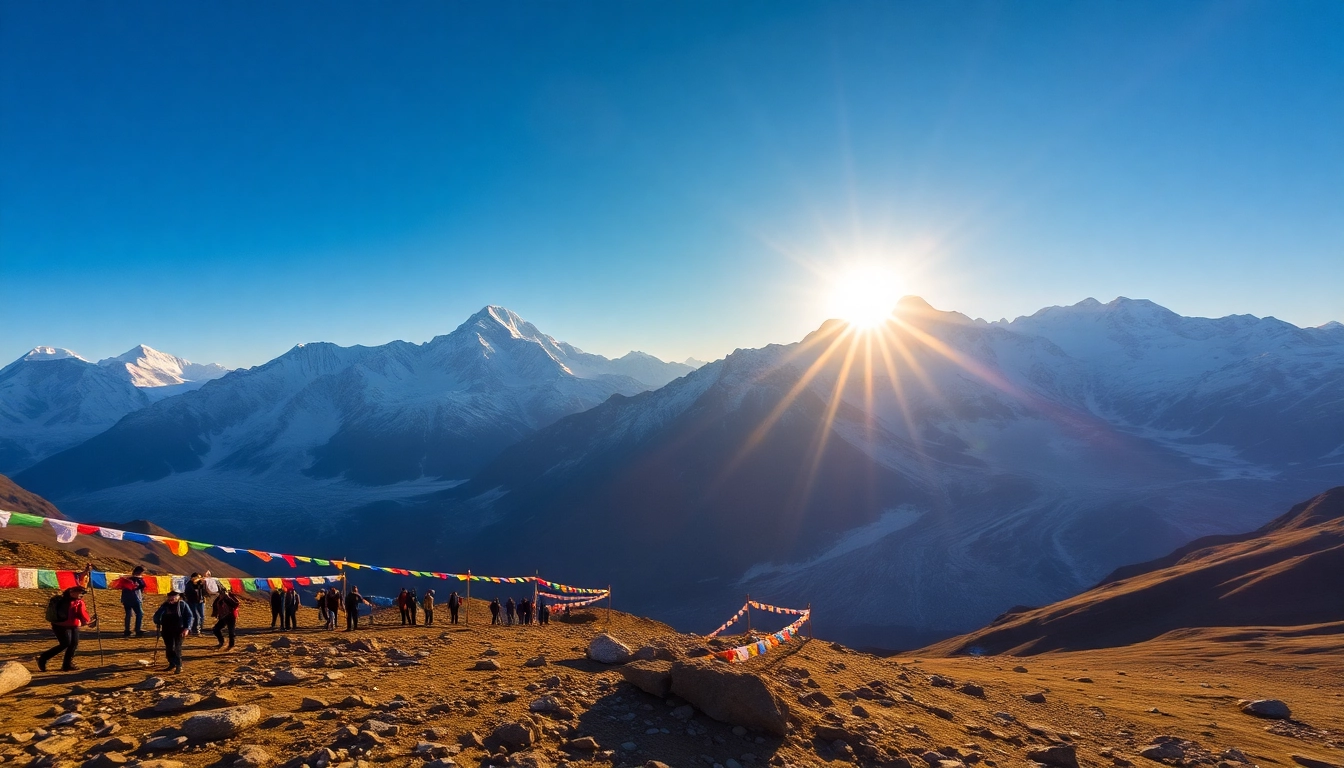
The Everest Base Camp trek is an iconic journey that attracts thousands of adventurers every year. As you traverse the breathtaking trails of the Himalayas, the experience promises not just a view of the world's highest peak, Mount Everest, but also an immersion into the rich culture of the Sherpa people. Everest base camp trek packages offer a comprehensive way to explore this magnificent region, ensuring that trekkers are well-supported throughout their journey.
What to Expect from Your Trek
Embarking on the Everest Base Camp trek means engaging with one of the most thrilling adventures of your life. From scenic views of majestic mountain ranges to the unique encounter with local Sherpa culture, your expedition will be filled with unforgettable moments. The trek usually spans 14 days, allowing time for acclimatization, which is vital at high altitudes. Expect a mix of challenging hikes, serene landscapes, and the camaraderie of fellow trekkers as you advance through picturesque villages and across narrow suspension bridges.
Key Highlights of the Journey
- Panoramic views of eight-thousand-meter peaks, including Lhotse, Makalu, and Cho Oyu.
- Visit the famous Tengboche Monastery, the largest in the region.
- Experience the vibrant life in Namche Bazaar, known as the gateway to the Everest region.
- Acclimatization hikes to scenic viewpoints like Hotel Everest View and Kala Patthar.
- Interaction with the local Sherpa communities, understanding their culture and traditions.
Duration and Itinerary Structure
The trek is structured to maximize the experience while ensuring safety through acclimatization. Key segments of the itinerary include:
- Arrival in Kathmandu and preparation.
- Flight to Lukla followed by the trek to Phakding.
- Ascend to Namche Bazaar for acclimatization.
- Exploration of higher altitudes leading to Everest Base Camp and Kala Patthar.
- Return trek concluding back in Kathmandu.
Inclusions and Exclusions in EBC Packages
What’s Included in Your Package
Most Everest Base Camp trek packages include comprehensive services to facilitate a smooth expedition:
- Accommodation in Kathmandu and during the trek.
- All meals during the trek - typically including breakfast, lunch, and dinner.
- Domestic flights from Kathmandu to Lukla and return.
- Qualified trekking guides and porters for support.
- Necessary permits for trekking in the Everest region.
Additional Costs to Consider
While the packages cover a wide array of services, there may be additional costs associated with:
- Personal expenses for snacks, drinks, and souvenirs.
- Hot showers and charging electronics during the trek.
- Tipping your guide and porter.
- Optional excursions or additional days in Kathmandu.
Value of Hiring Local Guides
Hiring a local guide significantly enhances your trekking experience. Their knowledge of the terrain, weather patterns, and cultural insights equips trekkers with much-needed support. Furthermore, local guides can assist in navigating altitude adjustments, ensuring safety while enriching your journey with the history and stories of the landscapes you traverse.
Choosing the Right Package for Your Adventure
Standard vs. Luxury Trek Options
When selecting a trek package, it's essential to consider your comfort preferences and budget:
- Standard Trek: This typically includes basic accommodations in teahouses, providing a more authentic experience of local life.
- Luxury Trek: For those seeking comfort, packages might include stays in premium lodges with more amenities, offering hot showers and access to upgraded services.
Customizable Itineraries to Fit Your Needs
Many trekking companies offer customizable packages tailored to different fitness levels and preferences. This flexibility allows trekkers to prolong their stay in particular locations or adapt the itinerary in response to weather conditions.
Factors to Consider When Booking
When choosing your trek package, consider the following:
- Your physical fitness level and experience in trekking.
- The season in which you plan to trek.
- Your budget and what services are covered in the package.
- Any special requests or needs that you may require.
Essential Preparations for the Trek
Physical Fitness and Training Recommendations
Physical conditioning is vital for a successful Everest Base Camp trek. Engage in cardiovascular exercises such as hiking, running, and biking. Aim for 4-5 sessions weekly, gradually increasing intensity. Specific exercises may include uphill hikes and strength training to build endurance.
Necessary Gear and Equipment Checklist
Having the right gear ensures a comfortable experience. Essential items to pack include:
- Durable trekking boots for varying terrains.
- Layers of clothing, including moisture-wicking and thermal wear.
- Sleeping bag rated for high altitudes.
- Daypack for daily essentials during hikes.
Health and Safety Guidelines for Trekkers
Prior to embarking on your trek, ensure you have proper health precautions in place. Consult your doctor about recommended vaccinations and carry a first aid kit, including altitude sickness medication. Hydration and a balanced diet during the trek are paramount to maintaining energy levels and health.
Frequently Asked Questions about EBC Trek Packages
Common Misconceptions about Trekking
Many individuals assume that only seasoned trekkers can tackle the Everest Base Camp trail. However, with the right preparation and support, beginners can successfully complete the trek. Mental resilience plays just as critical a role as physical preparation.
Best Time to Commit to Your Trek
The best time for trekking to Everest Base Camp is during the pre-monsoon (March to May) and post-monsoon (September to November) seasons. These periods offer stable weather conditions and clear skies, enhancing your trekking experience.
Travel Insurance and Other Considerations
Prioritize obtaining travel insurance that covers high-altitude trekking. Ensure it includes coverage for illness, accidents, and evacuation. This precaution is essential as conditions in the mountains can change rapidly, and emergencies may arise.