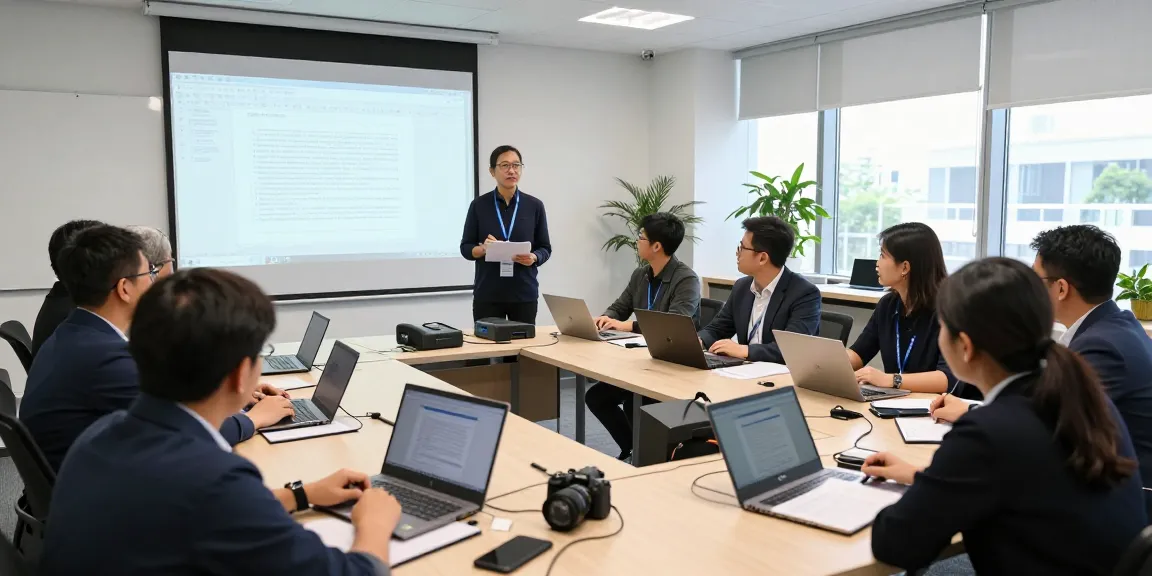
Understanding the Need to Get More Information
In today’s fast-paced business environment, the ability to access and analyze information effectively is crucial for success. Organizations that can swiftly gather, interpret, and act upon information gain competitive advantages, innovate more readily, and respond better to market changes. This article delves into the importance of obtaining accurate information, strategies for filling information gaps, and best practices that modern organizations can adopt to enhance their information-gathering processes. To further your understanding and efforts, you can get more information about advanced strategies and tools available in the industry.
Why Information is Critical in Business
Information acts as the fuel for decision-making in any organization. Its importance cannot be overstated; it informs strategy, operational efficiency, and competitive positioning.
- Informed Decision-Making: Data-driven decisions reduce uncertainties and increase the likelihood of success.
- Operational Efficiency: Access to the right information streamlines processes and enhances productivity.
- Strategic Planning: Proper information enables organizations to forecast trends and adjust their strategies accordingly.
Businesses need to prioritize effective information gathering to stay relevant and competitive in their respective markets.
Identifying Information Gaps in Your Organization
Recognizing where information gaps exist is a crucial step in improving organizational knowledge. Common gaps include:
- Market Insights: Failing to keep up with market trends can lead to missed opportunities.
- Customer Feedback: Lack of insights into customer preferences can result in product or service mismatches.
- Competitive Analysis: Not understanding competitors’ strategies can hinder strategic planning.
Performing a thorough audit of existing information can help pinpoint these gaps and guide focused information-gathering efforts.
Common Misconceptions About Information Overload
While having access to vast amounts of information is advantageous, it can also lead to analysis paralysis. Some misconceptions include:
- More Information is Always Better: Excess data can complicate decision-making rather than simplify it.
- Only Quantitative Data Matters: Qualitative insights are just as crucial for understanding broader trends and customer sentiments.
- Technology Will Solve Everything: Without a clear strategy, even the best tools can lead to ineffective information management.
Sources for Gathering Accurate Information
To build a solid foundation for decision-making, organizations should utilize various information sources. These include both digital and human resources designed to provide reliable data.
Utilizing Online Resources Effectively
The internet is a vast reservoir of information. Businesses must learn to navigate it efficiently:
- Research Databases: Services like JSTOR or Google Scholar provide access to peer-reviewed studies and articles.
- Industry Reports: Consulting firms often publish reports that offer valuable insights into market dynamics.
- Webinars and Online Courses: Educational resources can enhance knowledge and provide specific information related to industry trends.
Leveraging Professional Networks and Contacts
Building strong professional relationships can facilitate information sharing:
- Networking Events: Attend industry conferences and seminars to connect with peers and exchange insights.
- Social Media Groups: Engage with industry-specific groups on platforms like LinkedIn for discussions and information sharing.
- Mentorship Programs: Experienced mentors can offer valuable information that may not be readily accessible elsewhere.
Accessing Industry Reports and Research Studies
Industry reports and studies are invaluable in understanding market trends and forecasts:
- Trade Associations: Many industries have associations that publish regular reports and insights.
- Government Publications: Statistically significant reports can often be found through government websites.
- Market Research Firms: Companies like Gartner and Nielsen provide in-depth market analysis.
Best Practices for Effective Information Collection
Implementing best practices for information collection leads to more efficient and effective processes. Here are strategies to consider:
Strategies to Streamline Information Gathering
To enhance efficiency, businesses can adopt clear strategies, such as:
- Define Clear Objectives: Knowing what information is needed and why can streamline the data-gathering process.
- Use Templates: Standardized forms for data collection can improve consistency and reduce errors.
- Automate Where Possible: Use automation tools for repetitive tasks to focus on more complex analysis.
Tools and Technologies to Enhance Efficiency
Various tools can assist in the information-gathering process:
- Data Management Systems: Solutions like Salesforce or HubSpot offer comprehensive data management capabilities.
- Survey Tools: Tools like SurveyMonkey can facilitate gathering customer feedback efficiently.
- Analytics Software: Utilize platforms like Google Analytics for understanding web traffic and user behavior.
Evaluating the Quality of Information Collected
Not all information is created equal:
- Source Credibility: Always check the credibility of the sources from which the information is gathered.
- Timeliness: Ensure that the data is current and relevant to today’s market.
- Relevance: Information should be directly applicable to the specific context or problem being addressed.
Implementing Information Gathering in Business Operations
To create a culture of continuous improvement, organizations need to integrate information gathering into their operations:
Creating a Culture of Continuous Learning
Organizations should foster an environment where learning and knowledge sharing is encouraged:
- Regular Training Sessions: Provide opportunities for employees to learn new information-gathering techniques and tools.
- Feedback Mechanisms: Establish processes for sharing insights and lessons learned from information gathering.
- Celebrate Knowledge Sharing: Recognize and reward employees who contribute to collective knowledge.
Training Employees on Information Tools
It is essential to equip employees with the knowledge and skills needed to utilize information tools:
- Hands-On Workshops: Conduct workshops to familiarize staff with data management systems and analytics tools.
- Resource Libraries: Create a repository of training materials for continued learning.
- Mentoring: Pair less experienced employees with mentors who can guide them in effective information gathering.
Measuring the Impact of Improved Information Flow
Evaluating the effectiveness of improved information flow is vital:
- Performance Metrics: Track metrics related to decision-making speed and accuracy after implementing new processes.
- Employee Feedback: Gather feedback from employees on the new processes and tools.
- Business Outcomes: Measure overall business performance to assess the impact of better information access.
Future Trends in Information Gathering for 2026
As we look towards 2026, organizations must prepare for emerging trends that will reshape information gathering:
Emerging Technologies Shaping Information Access
Technological advancements will play a significant role in how organizations access information:
- Artificial Intelligence: AI will streamline data analysis, making it easier to extract insights from large datasets.
- Blockchain Technology: This may enhance the security and credibility of data sources.
- Cloud Computing: Increased adoption of cloud services will facilitate data access and sharing.
Predicted Changes in Workplace Information Dynamics
The workplace will continue to evolve as information becomes more accessible:
- Remote Work: Information sharing will need to adapt to an increasingly remote workforce.
- Collaborative Tools: Tools like Slack and Microsoft Teams will become even more integral to daily operations.
- Hybrid Knowledge Bases: Organizations will utilize both digital and human networks for information retrieval.
The Role of AI in Enhancing Information Accessibility
Artificial Intelligence will revolutionize how we access and interface with information:
- Personalized Recommendations: AI can suggest relevant information based on user behavior and preferences.
- Natural Language Processing: This will improve information retrieval by allowing users to interact with databases in human language.
- Automated Insights Generation: AI will help in sifting through large amounts of data to provide actionable insights.
How Can I Get More Information Efficiently?
To get more information efficiently, focus on leveraging the right tools and processes that align with organizational goals:
- Prioritize Needs: Clearly define what information is most crucial and avoid unnecessary data.
- Develop a Research Schedule: Regularly allocate time for information-gathering activities.
- Utilize Information Dashboards: Tools that curate relevant information in one place can save time and increase productivity.
Where Can You Find More Information on Your Industry?
Finding industry-specific information may involve exploring a mix of traditional and digital sources:
- Industry Conferences: Attend for the latest insights and networking opportunities.
- Professional Organizations: Many sectors offer members access to exclusive research and reports.
- Academic Journals: Access research articles that focus on industry-wide challenges and advancements.
What Tools Can Help You Get the Right Information?
Utilizing the right tools can make a significant difference in the effectiveness of information gathering:
- CRM Systems: Customer Relationship Management systems can provide insights into customer behavior and preferences.
- Data Visualization Tools: Tools like Tableau help in presenting data in a digestible format.
- Social Listening Tools: These tools help track brand mentions and consumer sentiments in real time.
What Is the Most Effective Way to Collect Information?
The most effective way to collect information varies based on business needs, but some proven strategies include:
- Surveys and Polls: Direct feedback from customers and employees often yields the richest insights.
- Focus Groups: Engaging groups to gather qualitative data can help understand deeper sentiments.
- Analysis of Existing Data: Reviewing current data can reveal trends and areas needing attention.
Can Collaboration Improve Information Access?
Collaboration among departments can vastly improve the quality and speed of information access:
- Cross-Department Teams: Forming teams comprising members from various departments can lead to diverse insights.
- Shared Platforms: Utilizing shared platforms for document storage and information can streamline communication.
- Regular Meetings: Establish a rhythm of regular catch-ups to discuss insights and challenges in information gathering.