Understanding Forensic Auditing
Forensic auditing is a specialized field of auditing that combines accounting, auditing, and investigative skills to examine financial statements and related documents for potential fraud, misrepresentation, or other financial discrepancies. As the demand for public accountability increases, forensic auditors play a crucial role in ensuring transparency and integrity in financial reporting. The importance of this profession is particularly pronounced in 2026, as organizations face more complex financial landscapes influenced by new technologies and regulatory requirements. With thousands of members across the nation, the aafikotadepok.org stands as a beacon for professionals seeking to enhance their skills in forensic auditing.
What is Forensic Auditing?
Forensic auditing is not merely an extension of traditional auditing; it is a unique discipline that focuses on detecting and investigating financial fraud. A forensic auditor utilizes a wide array of techniques to analyze financial data and identify suspicious activities. The results of these investigations often have legal implications, making the role of the forensic auditor crucial in both criminal and civil cases.
Importance of Forensic Auditing in 2026
In 2026, the landscape of forensic auditing is evolving rapidly, with increasing incidents of cyber fraud and financial crimes. Organizations are investing more in forensic audits not only as a preventive measure but also for crisis management. Forensic auditors are now more than ever required to stay updated with the latest technology trends and regulatory changes to effectively combat financial malfeasance.
Key Skills Required for Forensic Auditors
- Analytical Skills: Forensic auditors must possess strong analytical abilities to scrutinize data and uncover inconsistencies.
- Attention to Detail: A meticulous approach is necessary to identify fraudulent activities that may be hidden within complex financial records.
- Legal Knowledge: Understanding legal frameworks is essential in ensuring that investigations comply with relevant laws and regulations.
- Communication Skills: Forensic auditors must communicate findings clearly to stakeholders, often needing to present complex information in an understandable manner.
AAFI Kota Depok's Role in Professional Development
AAFI Kota Depok is at the forefront of promoting professional development for forensic auditors in Indonesia. Its dedication to nurturing talent through various training programs and resources helps ensure that its members are equipped to meet today’s challenges in the auditing field.
Training Programs Offered by AAFI Kota Depok
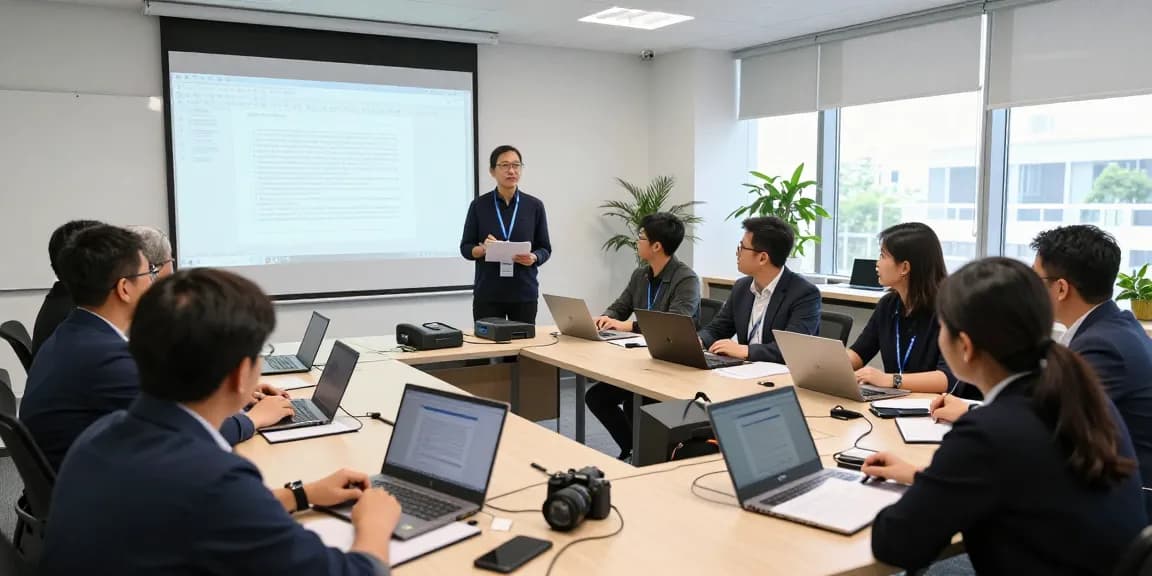
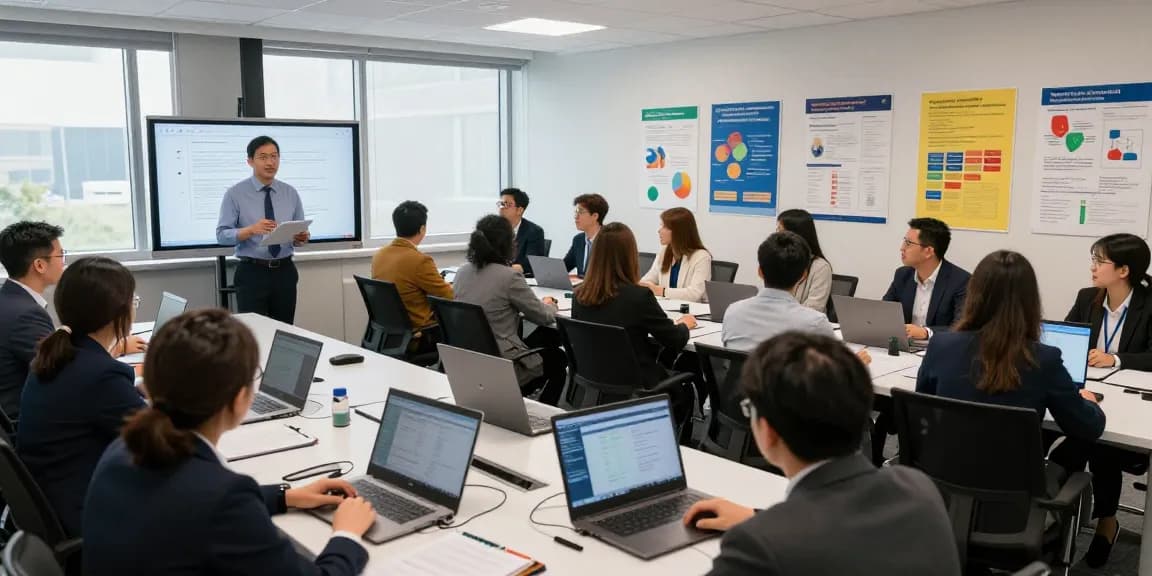
The association offers a wide range of training programs designed to enhance the skills and knowledge of forensic auditors. These programs include workshops, seminars, and online courses tailored to various aspects of forensic auditing. By providing continuous education, AAFI Kota Depok helps its members stay ahead in their careers.
Networking Opportunities Within the Organization
A key advantage of being a member of AAFI Kota Depok is the extensive networking opportunities available. Members are encouraged to engage with peers and industry leaders, fostering relationships that can lead to knowledge sharing, mentorship, and collaboration on projects that address real-world auditing challenges.
Membership Benefits for Forensic Auditors
- Access to exclusive training materials and resources.
- Participation in industry events and conferences.
- Opportunities for professional certification.
- Regular updates on industry trends and best practices.
Current Trends in Forensic Auditing
As forensic auditing continues to evolve, professionals in the field must be aware of emerging trends that are shaping the future of their work. Staying informed about these developments can enhance their effectiveness and ensure that they remain competitive.
Technology Advancements in Auditing
The integration of technology into forensic auditing is transforming how audits are conducted. Tools such as artificial intelligence and data analytics are being used to efficiently process large volumes of data, enabling auditors to identify fraudulent patterns much faster than traditional methods allow.
Regulatory Changes Affecting the Industry
The regulatory environment is constantly changing, and forensic auditors must adapt to new laws and guidelines that affect their work. Staying compliant with regulations not only protects the integrity of audits but also enhances the credibility of the auditing profession.
Predictions for Forensic Auditing Practices in 2026
Looking ahead to 2026, forensic auditing practices are expected to increasingly rely on digital tools and methodologies. Enhanced data analysis capabilities will improve detection rates for fraud, while a proactive approach in audits will become standard to mitigate risks before they escalate into larger issues.
Challenges Faced by Forensic Auditors
The path of a forensic auditor is not without its challenges. Understanding these obstacles is crucial for professionals aiming to stand out in the field.
Common Obstacles in Investigations
Forensic auditors often encounter various impediments during investigations, including resistance from organizations, difficulties in accessing necessary documents, and the complexity of financial schemes that obfuscate fraudulent activities.
Addressing Fraudulent Activities Effectively
To effectively address fraud, forensic auditors must develop sound strategies that can identify fraud risks early. This includes leveraging technology and applying critical thinking to evaluate evidence properly.
Maintaining Professional Integrity
Forensic auditors are held to high ethical standards, and maintaining integrity is essential. Upholding these standards ensures that their findings are credible and that they can testify confidently in legal proceedings if necessary.
Future of Forensic Auditing and AAFI Kota Depok
The future of forensic auditing holds great promise and challenges. As the profession evolves, so too does the role of organizations like AAFI Kota Depok in shaping the next generation of forensic auditors.
Emerging Technologies and Their Impact
Emerging technologies such as blockchain and machine learning are set to revolutionize forensic auditing. By adopting these technologies, auditors can enhance their investigative methods, improving accuracy and efficiency in audits.
AAFI Kota Depok's Vision for the Future
AAFI Kota Depok aims to establish itself as a leading organization for forensic auditors in Indonesia. By investing in professional development and promoting ethical practices, the organization seeks to build a community of knowledgeable and skilled auditors who are prepared for future challenges.
Engagement with Global Forensic Auditing Trends
As forensic auditing becomes increasingly global, AAFI Kota Depok remains committed to staying in touch with international trends. By fostering global partnerships and exchanges, the organization can ensure that its members benefit from best practices worldwide.
How to Stay Updated with Industry Changes?
Forensic auditors can stay updated by participating in continuous education, attending seminars, reading industry publications, and engaging within professional networks. AAFI Kota Depok provides numerous resources to assist members in remaining informed and competitive in the ever-changing landscape of forensic auditing.