Understanding the Issue of Missing Adults North Carolina
Each year, North Carolina faces the heart-wrenching reality of missing adults north carolina. This issue affects countless families and communities, causing emotional turmoil and uncertainty. Understanding the statistics, trends, and reasons behind the disappearance of adults can foster greater awareness and a willingness to help. This section will explore the current landscape regarding missing adults in the state and what can be done to address this troubling phenomenon.
Statistics and Trends in Missing Adults
Reports indicate a growing number of missing adult cases in North Carolina. According to state law enforcement, thousands of adults are reported missing annually, with varied patterns depending on demographics and locations. A recent analysis showed that urban areas tend to have higher cases of reported disappearances, often attributed to factors such as high population density and socio-economic challenges.
Moreover, trends reveal that adults aged between 18 to 30 are frequently reported missing. Reasons may include mental health struggles, substance abuse, or fleeing from abusive situations. In contrast, older adults often go missing due to health-related issues or cognitive decline. Understanding these statistics helps in formulating targeted strategies for prevention and recovery.
Common Reasons for Adults Going Missing
There are various reasons an adult may go missing, and it is crucial to understand these to aid in prevention and intervention. Some common reasons include:
- Mental Health Issues: Many adults suffer from mental health disorders that can lead to erratic behavior or a desire to escape from their struggles.
- Domestic Violence: A significant number of missing cases are linked to victims of domestic violence seeking refuge from abusive environments.
- Substance Abuse: Addiction may drive individuals to disconnect from their previous lives, exacerbating the likelihood of going missing.
- Voluntary Disappearances: In some cases, adults may choose to leave their lives behind for various reasons, including economic hardship or emotional burdens.
- Health Issues: Conditions like Alzheimer's disease or other cognitive impairments can result in individuals wandering away or forgetting their whereabouts.
The Impact on Families and Communities
The disappearance of an adult creates a ripple effect throughout families and communities. For families, the emotional distress can be overwhelming, leading to anxiety, depression, and a constant state of fear about their loved one's safety. In many cases, prolonged searches can drain financial resources and disrupt the day-to-day lives of family members.
Within communities, a single missing person case can alter the local landscape. Trust in neighborhoods diminishes, and affected communities often mobilize to conduct searches or increase awareness. These experiences highlight the pressing need for collaborative efforts to mitigate the impact of missing adult cases across North Carolina.
How to Report a Missing Adult in North Carolina
When an adult goes missing, swift action is imperative. Knowing how to report a missing adult can make all the difference in recovery efforts. The following sections outline the steps involved, necessary information, and who to contact in these critical situations.
Steps to Take Immediately
In the unfortunate event that an adult goes missing, here are essential steps to take immediately:
- Check with Friends and Family: Before jumping to conclusions, reach out to close friends and family to ensure the individual is indeed missing.
- Contact Local Authorities: If the individual remains uncontactable, file a report with local law enforcement as soon as possible.
- Gather Information: Collect all relevant details regarding the missing person's physical description, last known whereabouts, and any potential reasons they may have gone missing.
- Spread the Word: Use social media and community boards to raise awareness about the missing person, sharing their information broadly.
Required Information for Reports
When filing a missing person report, you will need to provide specific details to assist law enforcement. Commonly required information includes:
- Full Name and Aliases: This includes any nicknames or alternate names the person may use.
- Physical Description: Height, weight, hair color, eye color, and any distinguishing marks like tattoos or scars.
- Last Known Whereabouts: The time and place the individual was last seen, along with the circumstances surrounding their disappearance.
- Contact Information: Your details and any other relevant contacts that might help the investigation.
Local Authorities: Who to Contact
In North Carolina, reports of missing adults should first be directed to local law enforcement agencies, such as:
- County Sheriff’s Office
- City Police Department
- Highway Patrol for cases involving transportation or travel
In case of immediate danger or an emergency, always call 911. Additionally, you can report missing adults to the North Carolina Center for Missing Persons, which compiles all missing person reports statewide.
Community Involvement in Finding Missing Adults North Carolina
Finding missing adults requires community-wide efforts to be truly effective. Engaging local residents, businesses, and organizations can mobilize resources and increase the chances of a successful outcome. Here are key areas for community involvement.
Organizing Search Parties
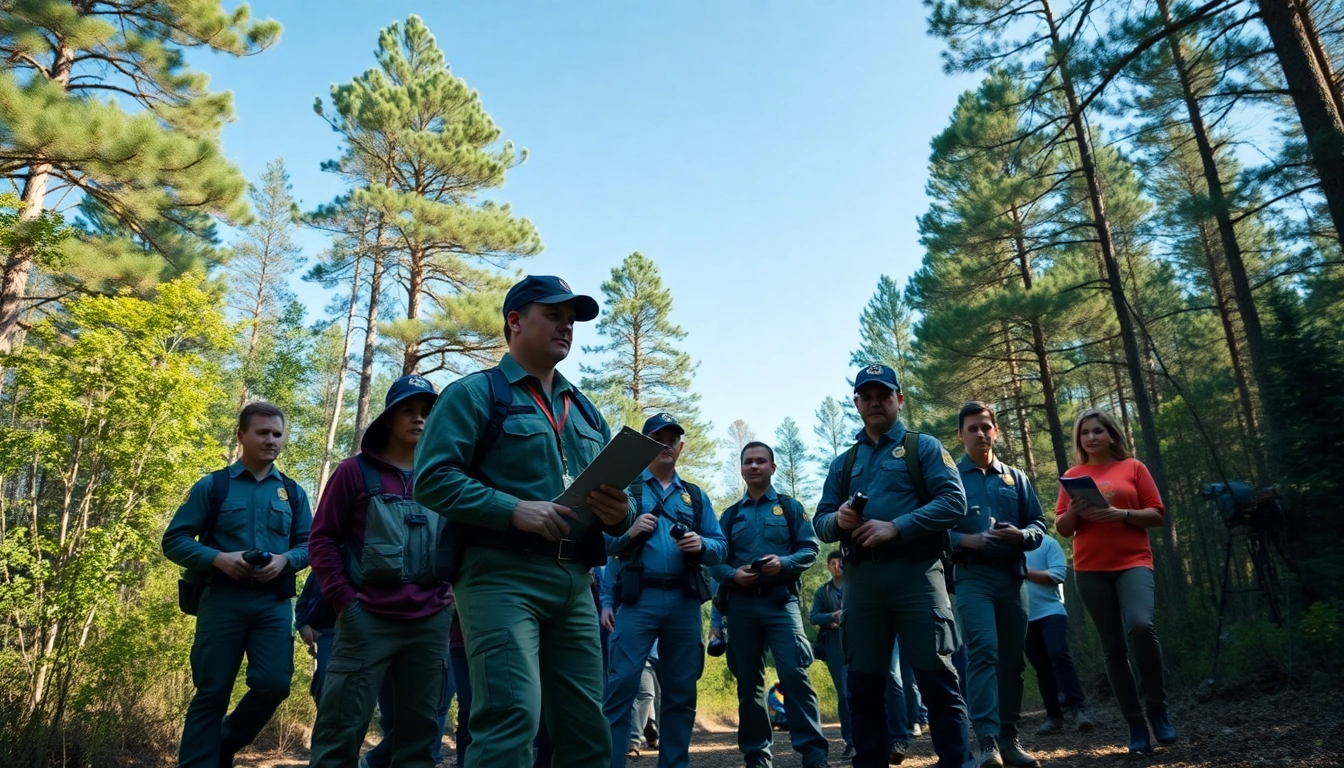
One of the most effective ways to aid in the search for missing adults is to organize search parties. This can be done by:
- Connecting with local community organizations and volunteer groups.
- Using social media platforms to rally volunteers.
- Focusing search efforts on areas where the individual is known to frequent.
It's crucial to set guidelines for participants to ensure safety and organization during search efforts.
Utilizing Social Media for Awareness
In today's digital age, social media is a powerful tool for spreading the word about missing adults. Here are effective strategies:
- Create dedicated social media pages or groups to share updates and coordinate search efforts.
- Post flyers with clear, recent photographs and descriptions of the missing person.
- Encourage community members to share posts to maximize outreach.
Building Support Networks
Forming strong support networks is vital for families of missing adults. Community members can:
- Provide emotional support and shared experiences for families.
- Assist in fundraising efforts for search activities or legal representation.
- Facilitate meetings to keep the community updated and engaged.
Such networks can alleviate the burden on families and foster a spirit of unity in difficult times.
Resources and Support for Families
Families dealing with a missing adult situation need access to various resources and support systems. This section outlines several available aids and organizations that can help.
Nonprofits and Organizations Offering Help
Numerous nonprofits and organizations in North Carolina focus on aiding missing adults and their families. These include:
- The North Carolina Center for Missing Persons
- National Alliance on Mental Illness (NAMI)
- Local crisis intervention resources
Tools for Emotional Support
Families often experience significant emotional stress while searching for a loved one. Resources can include:
- Hotlines for emotional support and counseling services.
- Support groups for families with similar experiences.
- Workshops or seminars focusing on mental health and coping mechanisms.
Legal Guidance for Missing Cases
Understanding the legal implications and potential actions to take when an adult goes missing can be challenging for families. Consider:
- Seeking legal advice on matters involving custody, property, or financial considerations.
- Understanding the procedures for declaring a person legally missing.
- Resources for navigating the complexities of law enforcement interactions.
Preventing Future Cases of Missing Adults North Carolina
While current efforts focus on recovery, preventing future cases of missing adults is equally important. This section delves into strategies for achieving this goal.
Awareness Campaigns and Education
Raising awareness about the factors contributing to adults going missing is crucial. Communities can:
- Hold workshops discussing mental health, conflict resolution, and safety measures.
- Engage in campaigns aimed at educating individuals about risks associated with substance abuse.
- Encourage schools and colleges to incorporate safety education into their curricula.
Safety Tips for Adults
Empowering adults with safety tips can reduce the number of missing cases. Key advice includes:
- Keep communication devices charged and easily accessible.
- Establish check-in systems with trusted friends or family.
- Make use of personal safety apps that allow tracking or emergency alerts.
Creating a Strong Community Network
Building robust community networks enhances the ability to locate missing adults. Effective approaches include:
- Fostering partnerships between local businesses, schools, and community leaders.
- Developing protocols for rapid community mobilization in the event of a missing person report.
- Encouraging ongoing communication and coordination through community meetings.
Frequently Asked Questions (FAQs)
1. What should I do if I suspect someone is missing?
Contact local law enforcement immediately; share all relevant information about the person’s last known whereabouts and description.
2. How long do I need to wait before reporting someone missing?
You should not wait to report someone missing. Contact law enforcement as soon as you believe someone is unaccounted for.
3. Can I organize a search party for a missing adult?
Yes! Organizing a search party is helpful. Coordinate with local organizations and ensure safety protocols are in place.
4. What resources are available for families of missing adults?
Families can access nonprofits, emotional support services, and legal guidance specifically for cases of missing adults.
5. How can community members assist in finding missing adults?
Community members can participate in search efforts, share information online, and build support networks to aid families.