
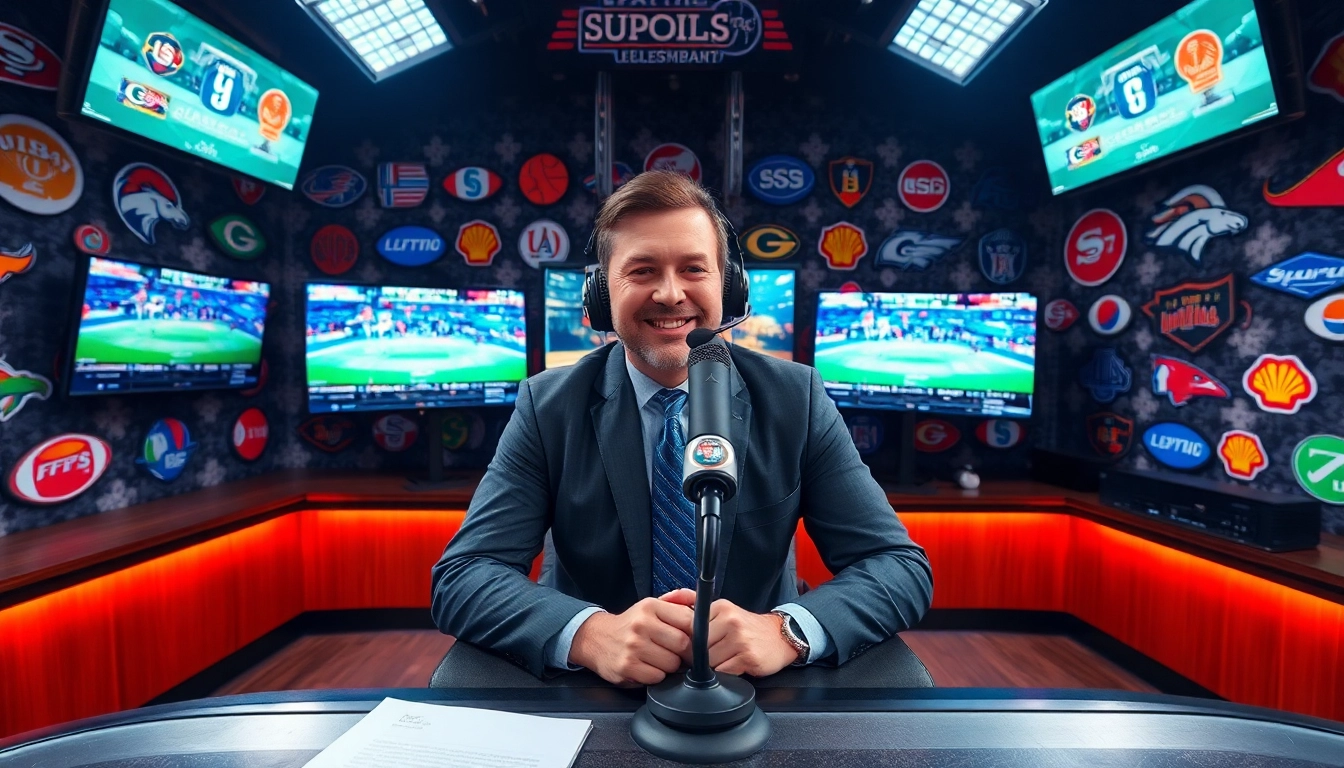
The Fundamentals of Sports Broadcasting
Understanding Sports Broadcasting
Sports broadcasting is an essential aspect of the sports universe, encompassing the live or recorded transmission of sporting events to audiences via television, radio, and online platforms. It serves not only to entertain fans but also to enhance their engagement with teams and sports. Broadcast platforms have evolved significantly, with new technologies introducing more sophisticated ways to experience games, whether it be through high-definition viewing, the integration of social media, or interactive fan elements. For those interested in learning more about the nuances of Sports Broadcasting, the future promises a landscape filled with innovation and opportunities.
The Role of a Sports Broadcaster
The sports broadcaster is often viewed as the voice of the sports experience. They are responsible for delivering accurate and engaging commentary while providing insightful analysis that enhances the viewer’s understanding of the teams and events. Broadcasters must convey the excitement of the sport in a way that resonates with audiences, maintaining a balance between information and entertainment. This role also includes interviewing players and coaches, providing updates on game statistics, and addressing viewer questions during broadcasts.
Types of Sports Broadcasting
Sports broadcasting can be categorized into various formats, each serving different audience segments. Traditional television broadcasts remain popular, providing wide reach and general appeal. Meanwhile, radio broadcasts offer a nostalgic charm, keeping audiences connected through audio storytelling. Digital platforms have also emerged, including live streaming services and social media feeds, which cater to younger audiences who prefer on-the-go access. Each type of broadcasting plays a vital role, employing unique storytelling techniques to capture the essence of the game.
Essential Skills for Effective Sports Broadcasting
Communication Skills in Sports Broadcasting
Effective communication is at the heart of successful sports broadcasting. Broadcasters must articulate their thoughts clearly and engagingly to connect with diverse audience demographics. This skill encompasses verbal and non-verbal elements, including tone, pacing, and body language when on-camera. Additionally, the ability to adjust communication styles based on the nature of the event—such as a passionate call during a critical play—can make a significant impact on viewer experience.
Researching Teams and Players
A well-rounded knowledge of teams, players, and statistics is critical for broadcasters. Thorough research enables broadcasters to offer insights that enrich the viewer’s experience. This involves staying updated with the latest news, anticipating storylines, and understanding the historical context of matchups. Preparation can include player background stories, injury reports, and statistics related to the game, providing viewers with a comprehensive understanding of unfolding events.
Technical Skills for Broadcasters
As the broadcasting industry evolves, technical skills have become increasingly important. Familiarity with broadcast equipment—such as cameras, microphones, and software—is essential for executing high-quality broadcasts. Understanding the backend of broadcasting, including video editing and live streaming technologies, allows broadcasters to adapt to the fast-paced demands of the industry, ensuring smooth and professional presentations.
Impact of Technology on Sports Broadcasting
Innovations in Broadcast Technology
Advancements in technology have revolutionized sports broadcasting, introducing features such as instant replay, multi-angle views, and augmented reality graphics. These innovations not only enhance the viewer’s experience but also allow broadcasters to deliver more compelling narratives surrounding the event. High-definition viewing, 4K streaming, and VR are just a few examples of technologies that make the spectator experience more immersive than ever.
Utilizing Social Media for Engaging Audiences
Social media has become a pivotal aspect of sports broadcasting, providing broadcasters with a platform to engage audiences beyond traditional viewing methods. Broadcasters use social media to share highlights, interact with fans, and even host live discussions. Platforms like Twitter and Instagram enable real-time engagement, allowing fans to share their thoughts and experiences as events unfold, further enriching the sense of community around sports.
Retention of Viewers Through Interactive Features
With increasing competition for viewer attention, interactive features such as polls, live Q&As, and audience participation segments have become vital in keeping fans engaged. By actively involving viewers in broadcasts, broadcasters can create a more immersive experience that retains their audience's interest across multiple platforms. The use of mobile applications that complement live broadcasts adds another layer of interaction, allowing fans to access additional content and updates seamlessly.
Challenges in Sports Broadcasting Today
Addressing Viewer Expectations
In the digital age, viewers have heightened expectations regarding the quality and quantity of sports content. They anticipate not just live broadcasts but also behind-the-scenes segments, player interviews, and instant updates. Broadcasters must continuously innovate to meet these demands, ensuring they provide content that is not only timely but also resonates with their audience. Adapting to viewer preferences can sometimes require significant changes in broadcasting strategy and execution.
Navigating the Rising Competition
The sports broadcasting landscape has become increasingly competitive, with numerous platforms vying for audience attention. Traditional broadcasters face competition from digital streaming services, social media, and even podcasts. To thrive, broadcasters need to carve out unique niche segments or offer distinctive perspectives that set them apart from the rest. Creating exclusive content that can't be found elsewhere can be a powerful strategy in retaining a loyal audience.
Adapting to Regulatory Changes
Broadcast regulations vary by region and can introduce complexities for sports broadcasters. Issues such as licensing rights, content restrictions, and intellectual property regulations must be navigated carefully. Staying informed about current legislation and adapting practices accordingly can prevent legal pitfalls and ensure compliance, allowing broadcasters to focus on delivering quality content to their audiences.
Future Trends in Sports Broadcasting
The Rise of Streaming Services
The rise of streaming services has transformed how fans consume sports content, with many opting for on-demand options over traditional cable subscriptions. This shift presents opportunities for innovative broadcasting models, such as offering exclusive live content or creating fan-focused programming. As streaming becomes more mainstream, broadcasters will need to develop strategies to monetize digital content while delivering high-quality experiences to subscribers.
Integration of Virtual Reality Experiences
Virtual reality technologies are poised to revolutionize sports broadcasting, offering immersive viewing experiences that transport fans to the stadium from the comfort of their homes. Broadcasters can leverage VR to provide first-person perspectives, making viewers feel like they are part of the action. Implementing VR technology requires substantial investment, but the potential to enhance viewer engagement presents an exciting frontier for the industry.
Predictions for the Next Decade in Broadcasting
As technology continues to evolve, the next decade is expected to bring even further innovations in sports broadcasting. Augmented reality graphics, advanced analytics in game commentary, and personalized viewing experiences are just a few aspects projected to shape the future landscape. Broadcasters must remain adaptable and forward-thinking, ready to embrace new technologies that will continue to enhance the viewing experience and keep fans engaged.
Frequently Asked Questions
What is sports broadcasting?
Sports broadcasting refers to the live or recorded presentation of sports events on platforms like TV, radio, and online. It delivers engaging content to audiences, enhancing their connection with sports.
What skills do sports broadcasters need?
Key skills include effective communication, in-depth research on teams and players, and technical skills related to broadcasting equipment and software.
How has technology impacted sports broadcasting?
Technology has introduced innovations like instant replay, social media integration, and VR experiences, which enhance viewer engagement and reshape how fans consume sports content.
What challenges do sports broadcasters face today?
Challenges include meeting viewer expectations, competing with various platforms, and adapting to changing regulatory environments regarding broadcasting rights and content.
What trends are shaping the future of sports broadcasting?
Future trends include the rise of streaming services, integration of virtual reality, and advancing personalized content delivery, reshaping viewer experiences in sports broadcasting.